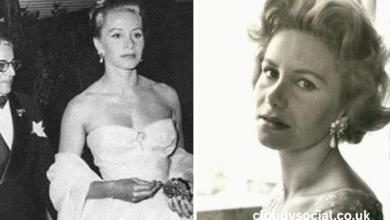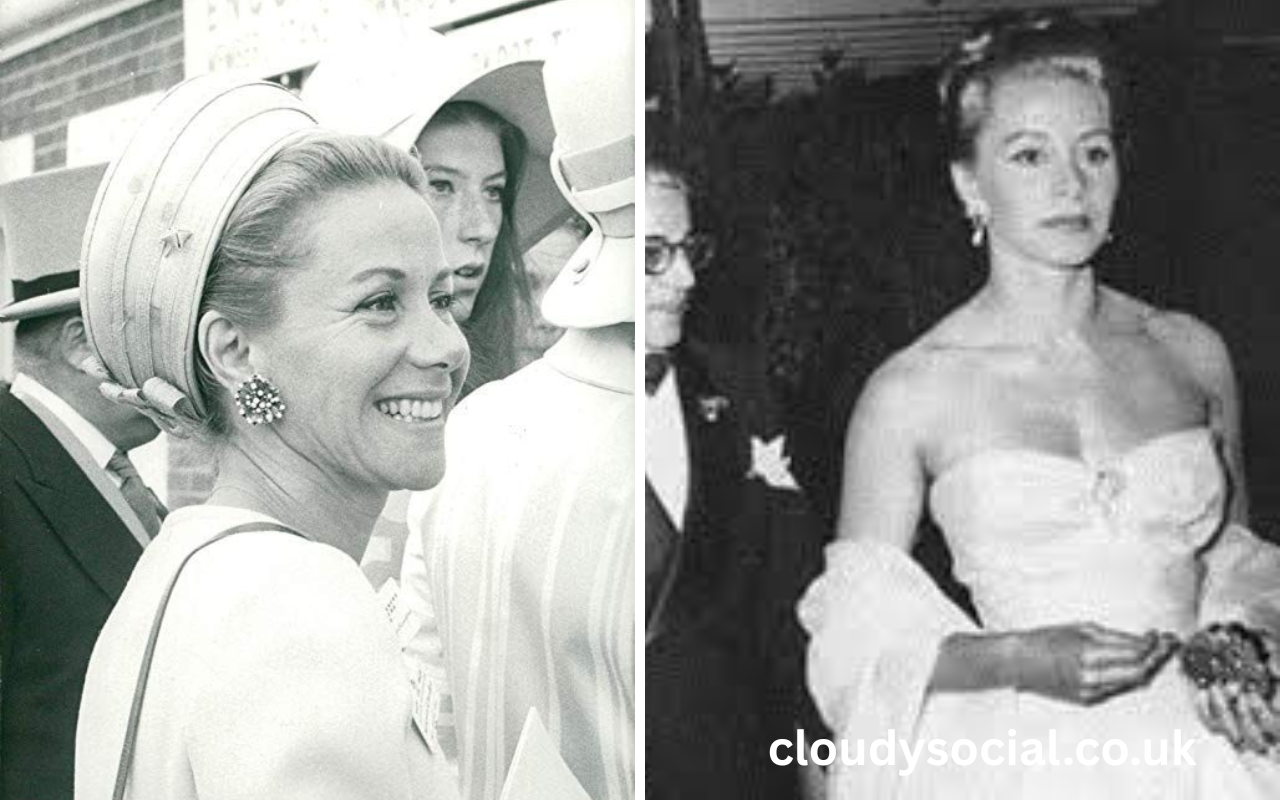
Tina Onassis Niarchos occupies a unique place in twentieth-century history. Born into one of the wealthiest shipping families in the world, she became a central figure in the interconnected stories of the Livanos, Onassis, and Niarchos dynasties. Her life was marked by extraordinary privilege, international glamour, high-profile marriages, immense wealth, and heartbreaking personal tragedies. Known originally as Athina Mary Livanos, she became famous first as the wife of Aristotle Onassis, later as a member of British aristocracy through marriage, and finally as the wife of Stavros Niarchos, Onassis’s greatest business rival.
Although Tina herself was not a businesswoman in the traditional sense, her life reflected the dramatic rise of Greek shipping fortunes after World War II. She lived among billionaires, royalty, celebrities, politicians, and aristocrats. Her story is intertwined with some of the most famous personalities of the twentieth century, including Maria Callas, Jacqueline Kennedy, Winston Churchill’s family, and many of the elite figures who defined international high society.
More than fifty years after her death, Tina Onassis Niarchos remains a fascinating figure because her life combined fairy-tale luxury with profound sorrow. Her story illustrates both the privileges and burdens that often accompany immense wealth and public attention.
Early Life and Family Heritage
Athina Mary Livanos was born on March 19, 1929, in London, England. She was the second daughter of the legendary Greek shipping magnate Stavros G. Livanos and his wife Arietta Zafirakis. The Livanos family represented one of the most influential dynasties in international shipping and played a crucial role in establishing Greek dominance in global maritime commerce.
Growing up, Tina enjoyed a life of exceptional privilege. The Livanos family divided their time between luxurious residences and traveled among Europe’s most exclusive social circles. During the first half of the twentieth century, Stavros Livanos built a maritime empire that generated immense wealth and transformed his family into international elites. His daughters were regarded as some of the most desirable brides among wealthy European and American families.
Tina grew up alongside her older sister Eugenia and her brother George. The siblings inherited not only wealth but also a position within a powerful social network that connected business leaders, aristocrats, and influential political figures. From an early age, Tina displayed remarkable beauty and elegance, qualities that attracted attention wherever she appeared.
The Livanos daughters became symbols of wealth and sophistication during a period when the Greek shipping industry was producing some of the richest individuals in the world. Little did anyone know that Tina’s future would connect her to two of the most powerful men in shipping history.
The Rise of the Greek Shipping Dynasties
To understand Tina’s importance, it is essential to understand the world into which she was born.
The decades following World War II saw Greek shipowners emerge as dominant players in international maritime trade. Families such as the Livanoses, Onassises, and Niarchoses built enormous fortunes by investing in shipping fleets that transported goods across the globe. These businessmen became legendary figures known for their ambition, competitiveness, and lavish lifestyles.
The Livanos family was already well established when younger entrepreneurs such as Aristotle Onassis and Stavros Niarchos began expanding their own shipping empires. Both men admired and competed with the older generation of shipowners. Marrying into the Livanos family represented not only a romantic relationship but also a strategic alliance that carried enormous social significance.
As a result, Tina found herself at the center of one of the most extraordinary rivalries in business history.
Marriage to Aristotle Onassis
In December 1946, seventeen-year-old Tina married forty-year-old Aristotle Onassis. The marriage attracted international attention because Onassis was already becoming one of the most ambitious and successful shipping entrepreneurs in the world. The age difference of twenty-three years generated discussion, but the union was widely viewed as a powerful alliance between established wealth and rising ambition.
For Onassis, marrying Tina represented more than a personal achievement. He understood that joining the Livanos family would strengthen his position within the Greek shipping community. For the Livanos family, the marriage connected them to a businessman whose fortune was growing rapidly.
The wedding transformed Tina Livanos into Tina Onassis, a name that would become famous worldwide.
During the early years of their marriage, Tina and Aristotle appeared to embody the glamorous ideal of postwar success. They traveled extensively, lived in luxurious homes, entertained distinguished guests, and enjoyed access to the highest levels of society. Newspapers and magazines frequently covered their activities, making them among the most recognizable couples in international high society.
Becoming the Wife of a Global Tycoon
As Aristotle Onassis expanded his shipping empire, Tina found herself living a life that few people could imagine. Onassis acquired enormous wealth through shipping, oil transportation, and later aviation. He became one of the richest men on Earth and a symbol of international business success.
Tina accompanied her husband to social events attended by celebrities, political leaders, and members of royal families. The couple owned luxurious residences in multiple countries and traveled aboard some of the most famous yachts of the era.
The Onassis lifestyle became synonymous with wealth, exclusivity, and glamour. Tina’s elegance and beauty made her a favorite subject of photographers and journalists. Her public image reflected the sophistication and luxury associated with the Onassis name.
Yet beneath the glamorous surface, tensions were beginning to emerge within the marriage.
Motherhood and Family Life
Tina and Aristotle Onassis had two children together. Their son Alexander Onassis was born in 1948, followed by their daughter Christina Onassis in 1950. Both children were born in New York City and quickly became heirs to one of the world’s largest fortunes.
Motherhood became one of the most important aspects of Tina’s life. Despite the demands of public attention and social obligations, she devoted significant time and energy to raising her children.
Alexander and Christina grew up surrounded by luxury, but they also faced enormous expectations. As heirs to the Onassis fortune, their lives attracted public interest from an early age.
Tina maintained a close relationship with both children throughout her life. Even after her divorce from Aristotle, she remained deeply involved in their upbringing and emotional well-being.
The Maria Callas Affair and Marital Breakdown
The marriage between Tina and Aristotle gradually deteriorated during the 1950s. One of the most significant factors contributing to its collapse was Onassis’s well-publicized relationship with legendary opera singer Maria Callas.
Callas was one of the most celebrated performers in the world, and her affair with Onassis became international news. Reports of infidelity deeply hurt Tina and created tensions that proved impossible to overcome.
The affair represented more than a private betrayal. Because both Onassis and Callas were public figures, the relationship became a media sensation. Tina found herself facing public humiliation while attempting to preserve her dignity and protect her children.
By the late 1950s, the marriage had effectively broken down. The glamorous image that had once captivated the public was replaced by stories of separation, infidelity, and personal conflict.
In 1960, Tina and Aristotle officially divorced, ending one of the most famous marriages of the era.
Life After the Onassis Divorce
Following her divorce, Tina resumed using her maiden name, Livanos. Despite the emotional challenges of ending her marriage, she remained one of the most prominent social figures in Europe.
Unlike many women who disappeared from public attention after divorce, Tina continued to attract media interest. Her beauty, wealth, and social connections ensured that she remained a fixture in elite society.
At the same time, Aristotle Onassis continued his high-profile relationships, eventually marrying Jacqueline Kennedy, the widow of U.S. President John F. Kennedy. The marriage further increased public fascination with the Onassis family and ensured that Tina’s former husband remained a constant presence in the international press.
Marriage into British Aristocracy
In 1961, Tina married John Spencer-Churchill, Marquess of Blandford, who later became the 11th Duke of Marlborough. Through this marriage, Tina entered one of Britain’s most distinguished aristocratic families.
The Spencer-Churchill family was closely associated with British political history and included connections to Sir Winston Churchill. The marriage represented a dramatic shift from the world of Greek shipping into the realm of European nobility.
As Marchioness of Blandford, Tina gained a new social identity and expanded her already impressive network of influential acquaintances.
Despite its prestige, however, the marriage ultimately proved unsuccessful. After nearly a decade together, the couple divorced in 1971.
The Extraordinary Rivalry of Onassis and Niarchos
One of the most remarkable aspects of Tina’s life is her connection to both Aristotle Onassis and Stavros Niarchos.
The rivalry between these two men became legendary. They competed not only in business but also in social prestige, luxury yachts, private islands, and public image. Their competition was often described as one of the most intense rivalries in the history of global shipping.
Every achievement by one man seemed to inspire a response from the other. They purchased larger ships, hosted more extravagant events, and sought greater recognition than their rival.
The irony, of course, was that both men would eventually become Tina’s husbands.
Marriage to Stavros Niarchos
In October 1971, Tina married Stavros Niarchos. The marriage shocked many observers because Niarchos had previously been married to Tina’s sister Eugenia. After Eugenia’s death, Tina eventually became his wife.
The relationship generated enormous media attention. Here was a woman who had first married Aristotle Onassis and later married his greatest competitor.
For historians, the marriage remains one of the most unusual unions among twentieth-century elites. It linked the Livanos, Onassis, and Niarchos families in ways that seemed almost impossible to imagine.
Yet despite the wealth and status surrounding the marriage, Tina’s final years would be overshadowed by tragedy.
The Death of Alexander Onassis
The greatest tragedy of Tina’s life occurred in January 1973 when her son Alexander died following injuries sustained in an airplane crash in Athens. He was only twenty-four years old.
Alexander’s death devastated both Tina and Aristotle. Many observers believe that neither parent ever fully recovered from the loss.
For Tina, the death was especially painful because she had remained deeply attached to her son throughout his life. Friends and associates later described the emotional impact as overwhelming.
The tragedy profoundly affected the entire Onassis family and altered the future of the dynasty.
Final Years and Untimely Death
Following Alexander’s death, Tina struggled emotionally. Although she continued to move within elite social circles, those close to her recognized the profound grief she carried.
On October 10, 1974, Tina died in Paris at the age of forty-five. Official reports listed acute pulmonary edema as the cause of death, although some accounts have suggested a drug overdose. The circumstances surrounding her death have remained the subject of discussion for decades.
Her death shocked international society. Friends, family members, and observers mourned the loss of a woman whose life had been defined by beauty, wealth, and extraordinary experiences.
Tina was buried in Lausanne, Switzerland, near members of her family. Her death came less than two years after Alexander’s passing and only months before Aristotle Onassis himself would die.
Estate Disputes and Family Conflict
After Tina’s death, disputes emerged regarding her substantial estate. Her daughter Christina challenged aspects of her mother’s final marriage and sought legal control over assets worth hundreds of millions of dollars.
The legal conflict reflected the immense wealth involved and the complicated relationships among members of the extended family.
Eventually, the dispute was resolved, and Tina’s possessions, including jewelry, artwork, and other valuables, were returned to Christina.
The episode illustrated how family tensions often accompanied enormous fortunes.
Christina Onassis and the Next Generation
Following Tina’s death, Christina Onassis inherited much of the family’s wealth and became one of the world’s richest women.
Like her mother, Christina’s life was marked by privilege and personal struggles. She married multiple times and faced intense public scrutiny throughout her life.
Christina’s daughter, Athina Onassis, eventually became the surviving heir of the Onassis fortune. Through her granddaughter, Tina’s legacy continues into the twenty-first century.
Athina remains one of the most recognizable descendants of the famous Onassis family and represents the continuing influence of a dynasty that once captivated the world.
Tina Onassis Niarchos and Historical Legacy
Tina’s story continues to fascinate historians because it provides a window into a unique era of wealth and influence. Her life connected several of the most powerful families of the twentieth century and reflected the dramatic rise of international shipping fortunes.
She was simultaneously a Livanos heiress, an Onassis wife, a British aristocrat, and a Niarchos spouse. Few women have occupied such a central position within so many influential circles.
Her experiences reveal the complexity of life among the global elite. While she enjoyed extraordinary privileges, she also endured public scandals, failed marriages, family conflict, and devastating personal losses.
The combination of glamour and tragedy ensures that Tina remains one of the most compelling figures in modern social history.
Conclusion
Tina Onassis Niarchos lived a life unlike almost any other. Born into the powerful Livanos shipping dynasty, she became the wife of Aristotle Onassis, later entered British aristocracy, and eventually married Stavros Niarchos. Along the way she witnessed the rise of some of the greatest fortunes of the twentieth century and became part of a story filled with ambition, rivalry, romance, and heartbreak.
Her life serves as a reminder that wealth and privilege do not guarantee happiness. Despite possessing every material advantage imaginable, Tina endured profound personal struggles and tragic losses. Yet her influence continues through the enduring fascination with the Onassis and Niarchos families and through the legacy carried forward by her descendants.
Today, Tina Onassis Niarchos remains an enduring symbol of the glamour, power, and complexity of twentieth-century high society.
you may also read : AAU Basketball and National Exposure