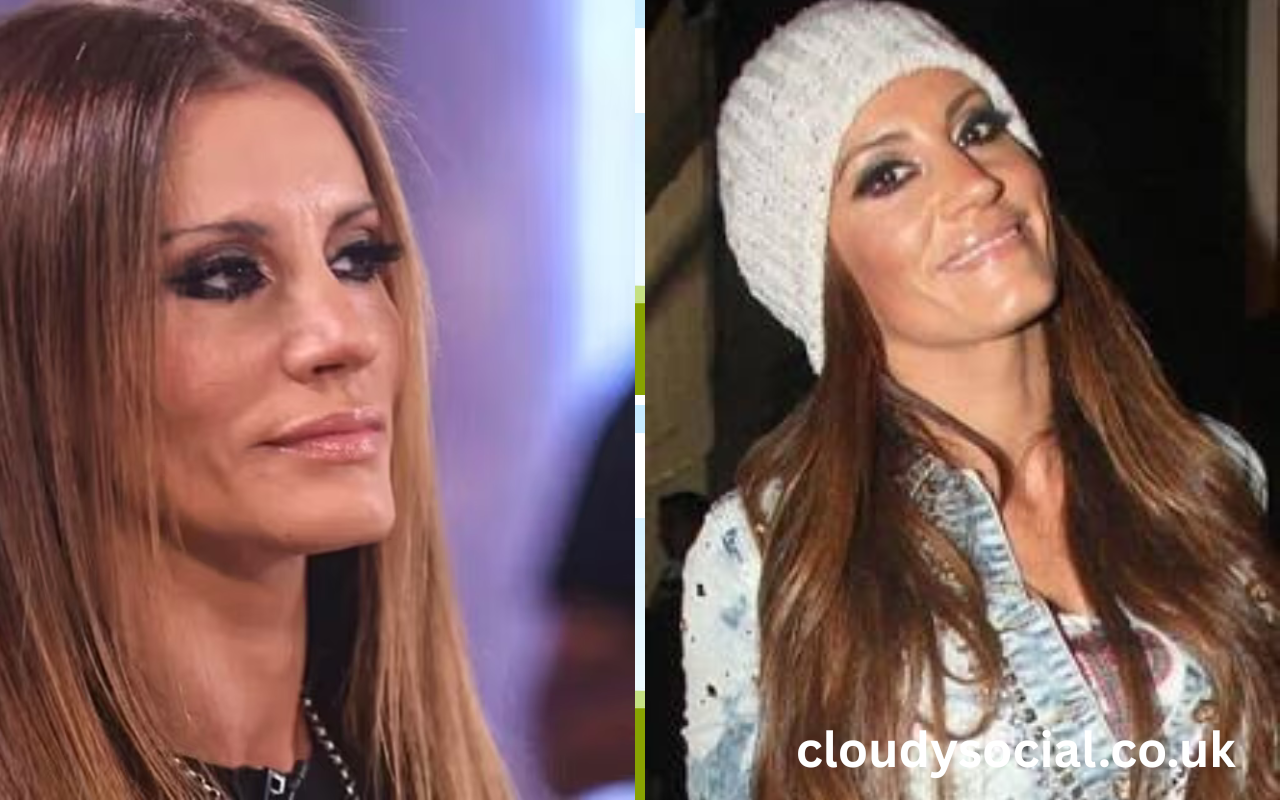
Natacha Jaitt was an Argentine media personality, model, actress, and television figure who became widely known in both Argentina and Spain for her appearances in entertainment media, reality television, and later for her involvement in highly controversial public accusations and legal disputes. Her life story is often discussed in Latin American media because it combines the trajectory of celebrity culture, reality television fame, tabloid journalism, and a tragic and controversial death that generated national debate in Argentina.
Over the years, searches related to “Natacha Jaitt biography,” “Natacha Jaitt death,” “Natacha Jaitt controversies,” and “Natacha Jaitt Gran Hermano” have remained popular because her public image evolved dramatically—from a television personality associated with entertainment shows and modeling to a figure central to media scandals and investigations. Her story reflects both the rise of reality television in the 2000s and the intense scrutiny faced by public figures in modern media ecosystems.
Early Life and Background
Natacha Jaitt was born in Argentina into a family that would later become publicly known through media exposure. Her brother, Ulises Jaitt, also became a media figure and frequently appeared in discussions surrounding her life and death. From an early age, she was drawn toward modeling and performance, which eventually led her into the entertainment industry.
Her upbringing took place during a time when Argentine television was expanding its entertainment programming, opening opportunities for young performers, models, and personalities to enter the industry through fashion, television appearances, and promotional work. Like many media personalities of her generation, she built her early career through modeling assignments and small television roles before achieving wider recognition.
The combination of ambition, physical appearance, and willingness to engage with controversial media formats helped shape her early career direction. This path would eventually lead her outside Argentina, where she gained significant exposure in Spain.
Entry into Modeling and Early Entertainment Work
Before becoming a television personality, Natacha Jaitt worked in modeling and entertainment-related appearances. She was associated with glamour photography and adult-oriented magazines, a common route for many Latin American models seeking international visibility during the late 1990s and early 2000s.
Her work in modeling eventually led to opportunities in television, especially in entertainment and variety programming. These early appearances helped her develop a public identity that combined glamour, confidence, and a willingness to engage with provocative media formats. This identity would later become central to her media persona in both Spain and Argentina.
Rise to Fame in Spain and Gran Hermano
One of the defining moments in Natacha Jaitt’s career was her participation in Spanish reality television, particularly her involvement in the reality show Gran Hermano (Big Brother Spain). This appearance significantly increased her public visibility and introduced her to a broader European audience.
Reality television in Spain during this period was highly influential, and participants often became instant celebrities. Jaitt’s presence on the show contributed to her reputation as a bold, outspoken personality who was not afraid to engage in conflict or express strong opinions.
Her time in Spain also connected her with entertainment circuits that focused on celebrity culture, nightlife, and tabloid media coverage. She became known for her controversial statements and strong media presence, which kept her in the public eye even after her participation in the show ended.
This period marked a turning point in her career, transitioning her from a model and minor television figure into a recognizable public personality in the Spanish-speaking entertainment world.
Return to Argentina and Media Career Expansion
After her time in Spain, Natacha Jaitt returned to Argentina, where she continued her career in television and radio. Her return coincided with a growing media culture in Argentina that increasingly relied on talk shows, celebrity interviews, and entertainment-based news programs.
She became a frequent guest on television programs that focused on entertainment news, gossip, and controversial topics. Her personality—direct, outspoken, and often confrontational—made her a recurring figure in Argentine media discussions.
During this phase, she also participated in radio programs, where she expressed her opinions on entertainment industry dynamics, celebrity culture, and social issues. Her radio appearances further solidified her image as a controversial media personality willing to speak openly about sensitive topics.
Television Appearances and Public Image
Natacha Jaitt appeared on numerous Argentine television programs, often in formats that encouraged debate and confrontation. She became known for her strong opinions and her willingness to engage in disputes with other media figures.
Her television image was shaped by the evolving nature of Argentine entertainment media, which increasingly blurred the lines between journalism, gossip, and reality-based storytelling. Jaitt often positioned herself as someone who challenged hypocrisy within the entertainment industry, though critics sometimes viewed her as a figure associated with scandal-driven media attention.
Her visibility was also reinforced by frequent coverage in tabloid newspapers and online media outlets, which amplified her statements and personal conflicts. Over time, she became a polarizing figure—admired by some for her honesty and criticized by others for her controversial approach.
Radio Career and Media Commentary
In addition to television, Natacha Jaitt worked in radio, where she discussed entertainment news, social commentary, and personal experiences. Radio allowed her to speak in a more extended format compared to television, giving her space to express complex opinions and narratives.
Her radio presence contributed to her reputation as a media commentator rather than just a celebrity figure. She often discussed issues related to the entertainment industry, power dynamics in media, and personal experiences within celebrity culture.
This phase of her career also strengthened her connection with audiences who followed her for her outspoken personality and willingness to address topics that were often avoided in mainstream programming.
Personal Life and Family
Natacha Jaitt’s personal life was frequently discussed in the media, particularly her relationships and family dynamics. She had children and maintained a close relationship with her brother Ulises Jaitt, who became one of the most vocal figures after her death, often participating in public debates and demanding further investigation into the circumstances surrounding her passing.
Her family life was often intertwined with media attention, especially as her public profile increased. Like many celebrities in the entertainment industry, her personal relationships became subjects of public discussion, contributing to both her fame and controversy.
Despite the public attention, much of her personal life remained complex and often disputed in media reports, reflecting the broader challenges faced by public figures in maintaining privacy.
Controversies and Public Accusations
One of the most defining aspects of Natacha Jaitt’s public life was her involvement in controversies and public accusations involving individuals in media, entertainment, and other sectors. She became known for making serious allegations on television and social media, which often led to legal disputes and public debates.
Her most widely discussed controversy involved claims related to powerful individuals and alleged misconduct within entertainment and sports circles. These statements generated significant media attention in Argentina and led to legal and institutional responses.
While some of her claims were never legally proven, they contributed to a broader public conversation about accountability, power structures in media, and the role of public accusations in entertainment journalism.
These controversies significantly shaped her legacy, as she became both a symbol of whistleblower-style media intervention and a highly disputed public figure whose statements were often challenged.
Final Years and Circumstances of Death
Natacha Jaitt died in February 2019, an event that shocked Argentine media and led to widespread speculation, investigation, and public debate. She was found deceased at a private event location in Buenos Aires Province, and the circumstances surrounding her death immediately became the subject of intense media coverage.
Authorities initially investigated multiple possible causes, including accidental death and other scenarios, while toxicology reports and forensic examinations were conducted. Over time, official investigations leaned toward non-criminal explanations, and later judicial processes concluded without definitive evidence of homicide.
However, her death remained controversial in public discourse, with ongoing discussions in media and among supporters and family members questioning aspects of the investigation.
The event generated widespread attention in Argentina and became one of the most discussed celebrity deaths in the country in recent years.
Investigation, Legal Proceedings, and Public Debate
Following her death, Argentine authorities conducted extensive investigations, including forensic analysis, witness interviews, and review of surveillance data. The case went through multiple stages of judicial review.
Eventually, the case was archived by judicial authorities after concluding that there was insufficient evidence to support criminal wrongdoing. Despite this, public debate continued, fueled by media coverage and statements from her family and supporters.
Her brother, Ulises Jaitt, played a particularly active role in demanding further investigation and raising questions about the official conclusions. This kept the case in the public eye for years after her passing.
The investigation became one of the most discussed legal cases involving a media personality in Argentina, highlighting the intersection between celebrity culture and judicial processes.
Legacy and Cultural Impact
Natacha Jaitt’s legacy remains complex and highly debated. On one hand, she is remembered as a television personality who participated in reality shows, entertainment programs, and radio broadcasts, contributing to Spanish and Argentine pop culture. On the other hand, she is also remembered for her controversial statements, public accusations, and the unresolved public debates surrounding her death.
Her life story is frequently referenced in discussions about media ethics, celebrity culture, and the power of television fame. She remains a figure who symbolizes both the opportunities and risks of modern entertainment industries, where public visibility can rapidly shift from fame to controversy.
Her case continues to be discussed in media retrospectives, documentaries, and online commentary, ensuring that her name remains present in cultural and journalistic discourse.
Frequently Asked Questions (FAQ)
Natacha Jaitt is often searched alongside questions about her biography, career, and death. Common queries include her age, television appearances, participation in Gran Hermano, her family background, and the circumstances surrounding her passing.
She remains a frequently searched figure in Latin American media history due to the combination of celebrity culture, controversy, and unresolved public debate that defined her life story.
Conclusion
Natacha Jaitt’s life reflects the complexities of modern media fame, where television exposure, reality shows, and digital platforms can transform individuals into public figures whose lives are closely followed and heavily scrutinized. From her early modeling career to her rise in Spanish reality television and her later controversial public presence in Argentina, she remained a figure who attracted attention and debate throughout her life.
Her death in 2019 marked a turning point that shifted her legacy from media personality to subject of national discussion and investigation. Even years later, her name continues to appear in conversations about celebrity culture, media responsibility, and public accountability in entertainment industries.
Her story remains one of the most discussed cases in Argentine entertainment history, combining fame, controversy, and unresolved questions that continue to attract public interest.