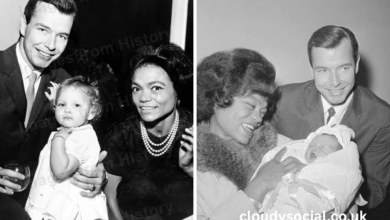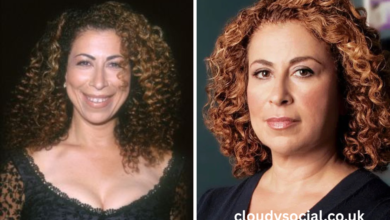
Dorothy Bowles Ford is a private American woman who became publicly known because of her connection to one of Tennessee’s most recognised political families. She is best known as the former wife of Harold Eugene Ford Sr., a historic political figure from Memphis, Tennessee, and as the mother of Harold Ford Jr., who later built his own career in American politics, media, finance, and public commentary. Although Dorothy Bowles Ford has never lived as a public celebrity or political officeholder herself, her name often appears in searches because of the Ford family’s long influence in American public life.
Unlike many people connected to politics, Dorothy Bowles Ford has stayed away from the spotlight. There are no widely confirmed interviews, personal memoirs, or public statements that reveal deep details about her private life. This makes her story different from many political spouses or family members who become active public figures. Her importance is not based on fame, scandal, or public performance, but on her place within a family that helped shape political representation in Memphis and Tennessee.
Dorothy Bowles Ford is often described as a woman who valued privacy, family, and stability. Public sources connect her mainly with her marriage, her children, and her professional background. The most reliable available information shows that she was married to Harold Ford Sr. and that she worked for the U.S. Department of Agriculture for many years. These details make her profile interesting because they show a woman who remained grounded while being connected to a family with serious political importance.
Dorothy Bowles Ford and Harold Ford Sr.
Dorothy Bowles Ford married Harold Eugene Ford Sr. on February 10, 1969. Their marriage placed her directly inside a family that would later become deeply linked with Tennessee politics. Harold Ford Sr. became a major political figure, especially because he broke an important racial barrier in the American South. He was the first African American elected to represent Tennessee in the United States Congress, a historic achievement at a time when Black political power in the South was still developing after the civil rights movement.
Harold Ford Sr. represented the Memphis area and became known as one of the most visible African American politicians from Tennessee. His success was not only personal; it represented a larger political change in a region shaped by racial tension, civil rights struggles, and debates over representation. Dorothy Bowles Ford was part of his personal life during this important period, though she did not seek the same public role.
Their marriage lasted for several decades before ending in divorce in 1999. During those years, Harold Ford Sr.’s political career placed the family in a public environment, especially in Memphis. Political families often live under pressure because public life can affect private relationships, children, and daily routines. Dorothy Bowles Ford’s life would have been connected to this political world, even if she did not personally stand at podiums, run campaigns, or hold elected office.
The marriage between Dorothy Bowles Ford and Harold Ford Sr. is also important because it connects her to the next generation of the Ford political family. Their son Harold Ford Jr. later followed his father into Congress and became one of the most recognised younger Democratic politicians of his time. In this way, Dorothy Bowles Ford’s family role became part of a larger American political story.
Mother of Harold Ford Jr.
One of the main reasons people search for Dorothy Bowles Ford is because she is the mother of Harold Ford Jr. He was born on May 11, 1970, in Memphis, Tennessee, and became the eldest son of Harold Eugene Ford Sr. and Dorothy Bowles Ford. His rise in politics made the Ford family name even more familiar across the United States.
Harold Ford Jr. served as a U.S. Representative from Tennessee from 1997 to 2007. He entered Congress after his father retired, continuing the family’s political presence in the same Memphis-based district. This father-to-son political transition attracted attention because it showed how powerful and influential the Ford family had become in Tennessee Democratic politics.
Dorothy Bowles Ford’s role as a mother is important in this story because political careers do not develop in isolation. Behind public figures are families, households, values, education, discipline, and emotional support. Although Dorothy did not become a public campaign personality, she was part of the home environment that shaped Harold Ford Jr. during his early life. His later public image as a polished speaker, educated leader, and national political commentator added more attention to his family background.
Harold Ford Jr. later became known beyond Congress through his work in finance, television commentary, and public affairs. His public career created continued interest in his parents, especially his mother, because many readers want to understand the family background of prominent public figures. Dorothy Bowles Ford remains a quieter figure in that story, but her name continues to appear because of her direct connection to Harold Ford Jr.’s life and legacy.
The Children of Dorothy Bowles Ford
Dorothy Bowles Ford and Harold Ford Sr. had three sons together: Harold Eugene Ford Jr., Newton Jake Ford, and Sir Isaac Ford. Each child belongs to a family name that carries strong recognition in Memphis. While Harold Ford Jr. became the most nationally visible of the three because of his congressional career, the family as a whole has remained connected to public discussion because of its political history.
Harold Ford Jr. is the eldest son and the best-known member of the next generation. His political career made him a familiar name in Washington, D.C., and in national media. He represented Tennessee’s 9th congressional district and later became involved in political analysis and business. His public success naturally brought more attention to his parents, including Dorothy Bowles Ford.
Newton Jake Ford has also appeared in public discussion connected to the Ford family, although not with the same national political profile as Harold Ford Jr. Sir Isaac Ford is another son of Dorothy and Harold Ford Sr., but he has maintained a lower public profile compared with his older brother. Because Dorothy Bowles Ford’s children have varying levels of public visibility, it is important to avoid treating every family member as a celebrity. Much of the family’s attention comes from the political achievements of Harold Ford Sr. and Harold Ford Jr.
Dorothy Bowles Ford’s identity as a mother is one of the strongest confirmed parts of her public profile. Her connection to her sons, especially Harold Ford Jr., is the main reason her name continues to appear in online searches. However, she should still be understood as a private individual rather than simply as the background figure in a famous family.
Dorothy Bowles Ford’s Career and Work Life
The most reliable career detail about Dorothy Bowles Ford is that she worked for the U.S. Department of Agriculture. This detail is important because it shows that she had her own professional life outside the political identity of her former husband. Working for a federal department suggests a career connected to public service, administration, or government-related work, though exact details about her role are not widely available.
Some online biography websites make extra claims about Dorothy Bowles Ford’s career, including claims about work in other organisations or consumer-related roles. However, many of those claims are not strongly verified through official or high-quality public sources. Because of this, a serious profile should be careful. It is better to focus on the confirmed information: Dorothy Bowles Ford had a long work connection with the U.S. Department of Agriculture and maintained a private life while her family became publicly known.
Her career detail also helps present a fuller picture of her life. She was not only the former wife of a congressman or the mother of a congressman. She was also a working woman connected to government service. That fact gives her story more depth and makes it easier to understand her as an individual with her own responsibilities, not just as a name attached to a political family.
In many political families, the public often focuses only on the officeholder. But the life of a family member can include quiet work, household leadership, emotional labour, and professional commitments. Dorothy Bowles Ford’s career background fits that quieter but meaningful pattern.
The Ford Family’s Political Legacy
To understand Dorothy Bowles Ford, it is important to understand the Ford family’s political legacy. Harold Ford Sr. was a major figure in Tennessee politics. His election to Congress was historic because he became the first African American to represent Tennessee in the U.S. House of Representatives. This achievement carried deep meaning in the American South, where Black political representation had long been limited by racism, segregation, and unequal access to power.
Memphis, Tennessee, has a rich but complicated political and civil rights history. It is a city strongly associated with African American culture, labour movements, and civil rights memory. The assassination of Martin Luther King Jr. in Memphis in 1968 gave the city a permanent place in American history. In this setting, the rise of Black political leadership was especially significant. Harold Ford Sr.’s congressional career became part of that wider transformation.
Dorothy Bowles Ford was connected to this political environment through marriage and family. While she was not the elected official, her family life existed alongside one of the most important political stories in Tennessee. Her son Harold Ford Jr. later extended that legacy by serving in Congress himself. This made the Ford family one of the most recognisable political families from Memphis.
The Ford political legacy is not only about one person. It is about representation, generational influence, local power, and national visibility. Dorothy Bowles Ford’s name remains attached to that legacy because she was present at the centre of the family during a critical period.
Why Dorothy Bowles Ford Remains a Private Figure
One of the most interesting things about Dorothy Bowles Ford is how little public information exists about her compared with the men in her family. In the modern internet age, many people connected to famous families have public profiles, social media pages, interviews, or detailed biography pages. Dorothy Bowles Ford is different. She appears to have chosen a much quieter life.
This privacy should be respected. Not every person connected to a famous family wants public attention. In fact, many family members of politicians prefer to live outside the media cycle because public life can be stressful and intrusive. Dorothy Bowles Ford’s limited public profile suggests that she has not tried to turn her family connection into personal fame.
Her private nature also makes it important for writers and readers to be careful. Online searches often produce repeated claims about age, net worth, height, personal background, and current life. But many of these details are not supported by strong evidence. A responsible article should not present weak claims as facts. The most trustworthy approach is to explain what is known and clearly avoid overstatement.
Dorothy Bowles Ford’s story shows that privacy can remain powerful even when a person is linked to public life. She does not need to be constantly visible to be historically relevant. Her connection to the Ford family already gives her a place in the wider story of American politics.
Dorothy Bowles Ford and Public Curiosity
Public curiosity about Dorothy Bowles Ford has grown because people often want to know more about the parents, spouses, and family members of well-known figures. When someone like Harold Ford Jr. appears in politics, media, or public debate, readers naturally search for his background. That search often leads to Dorothy Bowles Ford.
However, public curiosity does not always mean public information is available. Many articles online try to fill gaps with repeated claims, but repetition does not always equal truth. This is why Dorothy Bowles Ford’s profile must be written carefully. Her confirmed identity is clear: she is the former wife of Harold Ford Sr., the mother of Harold Ford Jr., Newton Jake Ford, and Sir Isaac Ford, and a former or longtime employee connected to the U.S. Department of Agriculture.
Her story also reflects a broader pattern in political families. The public remembers the person who wins elections, gives speeches, and appears on television. But behind those visible careers are private family members whose influence may be real even when it is not fully documented. Dorothy Bowles Ford belongs to that quieter side of political history.
Conclusion
Dorothy Bowles Ford is not a traditional public celebrity, yet her name continues to attract attention because of her connection to the Ford political family. As the former wife of Harold Ford Sr. and the mother of Harold Ford Jr., she is linked to two generations of political leadership from Memphis, Tennessee. Her family’s story includes historic representation, public service, and a long connection to American political life.
What makes Dorothy Bowles Ford especially interesting is her privacy. She has not built a public brand, chased media attention, or shared every detail of her personal life. Instead, the available record presents her as a private woman, a mother, a former political spouse, and a professional connected to government service through the U.S. Department of Agriculture.
A responsible profile of Dorothy Bowles Ford should focus on confirmed facts and avoid unsupported claims. Her life matters not because of internet rumours or celebrity-style speculation, but because she stands close to an important American political legacy. In a world where public attention often becomes excessive, Dorothy Bowles Ford remains a reminder that some important figures choose dignity, privacy, and quiet influence over public fame.
You may also read : The Legacy of Her Father, Sir Christopher Lee